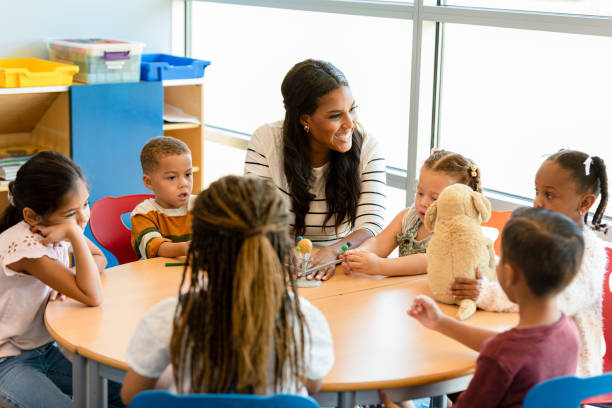
The early years of a child’s life are a critical period for brain development and foundational learning. During this stage, children naturally possess an innate sense of wonder that drives them to explore their surroundings. Providing an environment that nurtures this curiosity is essential for cognitive and emotional development. When children are encouraged to ask questions and investigate their interests, they become active participants in their own learning journey.
Creating a Stimulating Environment for Young Learners
A well-designed space does more than just house children; it serves as a third teacher. In a high-quality daycare Naperville IL, the environment is thoughtfully curated to spark interest and support exploration. Natural materials, age-appropriate puzzles, and open-ended art supplies allow children to express themselves freely. This freedom within a structured setting ensures that every child feels safe enough to take risks and try new things, which is vital for building self-esteem.
Encouraging Creativity Through Play
Creativity is not limited to arts and crafts; it is a way of thinking that allows children to approach problems from unique angles. Play-based activities provide the perfect platform for this type of creative expression. When children engage in dramatic play or storytelling, they learn to conceptualize different scenarios and empathize with others. This flexibility of mind is a major component of success in both school and later life.
The Role of Social Interaction in Development
Social skills are developed through consistent interaction with peers and caring adults. By participating in group activities, children learn the value of collaboration and the importance of sharing. These moments of connection help children navigate complex social dynamics in a supportive setting. As they learn to communicate their needs and listen to the ideas of others, they develop the interpersonal intelligence needed to build meaningful friendships.
Building Independence and Confidence
As children grow, they yearn for more autonomy. Programs that emphasize age-appropriate tasks allow children to build confidence as they master new skills. From pouring their own water during snack time to tidying up toys after a project, these small acts of independence build a sense of agency. When children realize they are capable of performing tasks on their own, their self-confidence flourishes, paving the way for future academic achievements.
Preparing for Future Learning Journeys
The goal of early childhood education is to cultivate a lifelong love of learning. By balancing structured routines with child-led play, educators ensure that children are prepared for the challenges of kindergarten and beyond. A consistent routine provides a sense of security that allows children to focus on their growth. With the right foundation, children are better equipped to handle new experiences, embrace challenges, and continue developing their unique talents.
Conclusion
Every child deserves a start that honors their individuality and supports their natural drive to learn. By investing in a high-quality environment, parents provide the necessary tools for their children to thrive socially, emotionally, and academically. Focusing on creativity, social connection, and independence ensures that children are not only ready for school but are also prepared to navigate the world with curiosity and confidence.