Speed and Preparation in Salvage And Towing Tacoma
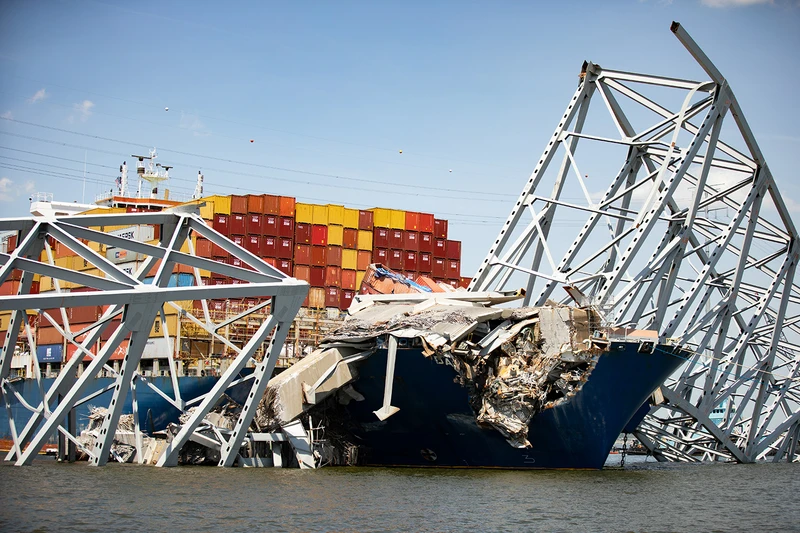
In maritime emergency response, the time between an incident occurring and professional help arriving on scene is one of the most critical variables in the entire operation. A vessel taking on water, a ship aground in a shipping channel, or a tug in mechanical distress needs help fast. Salvage and towing Tacoma services built around genuine fast response capability give Pacific Northwest vessel operators and port authorities the security of knowing that professional, equipped help is close and ready.
Speed in emergency response comes from preparation, not improvisation. A team that has pre staged its equipment, trained its personnel, and established its response protocols is able to move the moment a call comes in. That readiness is what transforms response time from hours into minutes.
Why Equipment Staging Is Everything
The physical resources available to a salvage team determine what they can accomplish at the scene of a maritime incident. Tugs capable of offshore towing, barges providing platform support, heavy lift cranes for wreck removal, roller bag systems for refloating grounded vessels, sonar survey units for underwater assessment, and staged pumping and dewatering equipment all need to be maintained, ready, and accessible at any time.
A salvage and towing Tacoma operation built around proper equipment staging can deploy the right resources for a specific incident type quickly and efficiently. Marine construction Tacoma capabilities available from the same provider expand the response toolkit to include structural assessment and repair expertise when damage to waterfront infrastructure is part of the emergency scenario.
Emergency Towing: When Vessels Lose Power or Control
Offshore emergency towing is one of the most frequent requirements in maritime emergency response. A vessel that loses propulsion power, experiences steering failure, or becomes uncontrollable in strong wind or current conditions presents an immediate hazard to its crew, to other vessels, and to port and coastal infrastructure. A capable tug positioned in Tacoma can respond quickly to these situations, establish a tow connection, and safely bring the distressed vessel to a sheltered anchorage or port facility.
The seamanship required for successful emergency towing in Pacific Northwest conditions, including tidal currents, variable weather, and complex waterway geography, underscores why experience and local knowledge are so important in salvage and towing operations.
Roller Bag Applications for Grounded Vessels
Marine construction Tacoma teams working alongside salvage crews can provide structural assessment when a grounded vessel sustains hull damage during the grounding or recovery process. The roller bag application itself, performed by the salvage and towing team, uses inflatable airbag technology positioned beneath the grounded hull to restore buoyancy and allow controlled refloating.
This technique requires careful engineering assessment and precise operational execution. An experienced salvage team that has successfully performed roller bag operations in Pacific Northwest waters brings the practical knowledge needed to execute this procedure safely without causing additional damage to the vessel.
Sonar Survey: Seeing What Cannot Be Seen
Before committing dive personnel to underwater operations in a salvage situation, a sonar survey provides critical information about the underwater condition of a grounded or sunken vessel, the nature of the seabed, and any potential hazards that divers might encounter. This preliminary assessment step protects dive team safety and improves the accuracy of the operational plan that follows.
Salvage and towing Tacoma operations that incorporate sonar survey capability as a standard part of the emergency response toolkit demonstrate a commitment to systematic, safety first operations that prioritizes getting the outcome right over simply moving fast.
Environmental Booming and Containment
Containing fuel and cargo releases is a time critical priority in any salvage operation involving a damaged vessel. Emergency environmental booming deployed rapidly around a distressed vessel can prevent or significantly limit the spread of contaminants into surrounding Pacific Northwest waters. Environmental technicians working as part of an integrated salvage and towing team manage booming deployment, coordinate with regulatory agencies, and oversee ongoing containment operations throughout the salvage process.
This environmental integration within salvage operations reflects both professional responsibility and regulatory compliance requirements that Pacific Northwest operators must meet in the event of a marine incident.
Conclusion
Salvage and towing Tacoma services built around fast response capability, proper equipment staging, and experienced leadership give Pacific Northwest vessel operators the emergency partner they need to navigate the most challenging situations on the water. From offshore emergency towing and roller bag refloating operations to sonar survey and environmental booming, a professional Tacoma salvage team delivers results that protect vessels, crews, and the Pacific Northwest coastal environment.